
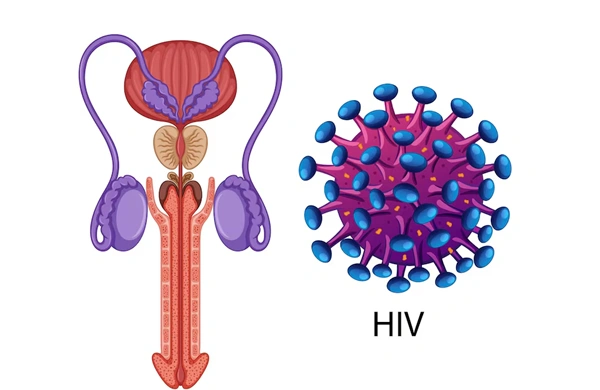
HIV-related urology focuses on the diagnosis and management of urological conditions that may occur in individuals living with HIV (Human Immunodeficiency Virus). People with HIV may experience certain urinary or reproductive system problems due to a weakened immune system or infections affecting the urinary tract. Proper urological care helps manage these conditions effectively and improves overall health and quality of life. Many patients seek HIV-related urology treatment in Mumbai under the guidance of Dr. Shashank Sharma, an experienced urologist specializing in the management of complex urological disorders.
HIV-related urology refers to the evaluation and treatment of urinary and reproductive system conditions that may develop in individuals with HIV infection.
Because HIV affects the immune system, patients may be more susceptible to urinary tract infections, kidney problems, bladder disorders, and certain urological complications. Early diagnosis and proper medical care help manage these conditions and prevent complications.
Urological care in HIV patients focuses on treating infections, managing urinary symptoms, and maintaining kidney and bladder health.
Individuals living with HIV may experience certain urological issues that require specialized care.
Weakened Immune System:
HIV reduces the body’s ability to fight infections, increasing the risk of urinary tract infections.
Recurrent Urinary Infections:
Patients may develop frequent UTIs due to compromised immunity.
Kidney Complications:
HIV or certain medications may affect kidney function.
Bladder Problems:
Some patients may experience difficulty urinating or bladder dysfunction.
Sexually Transmitted Infections (STIs):
HIV-positive individuals may have a higher risk of other infections affecting the urinary tract.
Medication Side Effects:
Certain HIV treatments may impact kidney or urinary health.
Specialized urological care plays an important role in maintaining urinary system health in patients living with HIV.
Early Detection of Complications:
Helps identify kidney or bladder problems at an early stage.
Prevention of Infections:
Proper care reduces the risk of recurrent urinary infections.
Protection of Kidney Function:
Monitoring helps prevent long-term kidney damage.
Management of Urinary Symptoms:
Treats problems such as pain during urination or difficulty passing urine.
Improved Quality of Life:
Effective management helps patients maintain normal daily activities.
Comprehensive Health Support:
Works alongside HIV treatment for overall patient well-being.
The approach to HIV-related urology treatment in Mumbai depends on the specific urological condition affecting the patient. Dr. Shashank Sharma provides comprehensive evaluation and management for patients with HIV-related urinary problems.
Doctors may perform several tests to evaluate urinary system health.
Common diagnostic tests include:
Urine analysis to detect infection or abnormalities
Urine culture to identify bacteria
Blood tests to evaluate kidney function
Ultrasound imaging of kidneys and bladder
CT scan for detailed urinary tract assessment
Cystoscopy to examine the bladder and urethra if necessary
Treatment depends on the underlying urological condition and may include:
Antibiotic Therapy:
Used to treat bacterial urinary tract infections.
Medication Management:
Adjusting medications if kidney-related side effects occur.
Treatment for Kidney Disorders:
Managing kidney problems associated with HIV or medications.
Management of Bladder Problems:
Addressing urinary retention or bladder dysfunction.
Regular Monitoring:
Routine follow-ups to track kidney and urinary health.
Proper preventive care is important for maintaining urinary health in patients with HIV.
Patients are usually advised to:
Maintain regular follow-up with healthcare providers
Drink adequate fluids to support kidney health
Practice good personal hygiene
Take HIV medications as prescribed
Seek medical care early if urinary symptoms appear
Specialized care offers several advantages for patients living with HIV.
Early Diagnosis of Urinary Problems:
Helps identify complications before they become severe.
Reduced Risk of Infections:
Proper treatment prevents recurrent urinary infections.
Protection of Kidney Health:
Regular monitoring helps maintain kidney function.
Better Symptom Control:
Treats urinary discomfort and related issues.
Improved Overall Health:
Supports better management of HIV-related complications.
Enhanced Quality of Life:
Allows patients to maintain normal daily activities.
Experienced Urologist:
Dr. Shashank Sharma has extensive experience managing complex urological conditions.
Comprehensive Diagnostic Approach:
Uses advanced testing to accurately identify urinary problems.
Patient-Centered Care:
Provides personalized treatment plans based on each patient’s condition.
Coordination With HIV Care:
Ensures urological treatment works alongside HIV management.
Focus on Long-Term Health:
Aims to protect kidney and urinary system function.
Trusted Specialist:
Known for providing safe, effective, and compassionate urological care.
Yes, HIV can increase the risk of urinary infections, kidney problems, and bladder disorders due to a weakened immune system.
Yes, individuals with HIV may experience recurrent urinary tract infections because their immune system is compromised.
Some medications may affect the kidneys, which is why regular monitoring is important.
If they experience symptoms such as pain during urination, frequent infections, difficulty urinating, or blood in urine, they should consult a urologist.
Yes, with proper medical care and monitoring, most HIV-related urological conditions can be effectively managed.



Comments
Be the first to review