
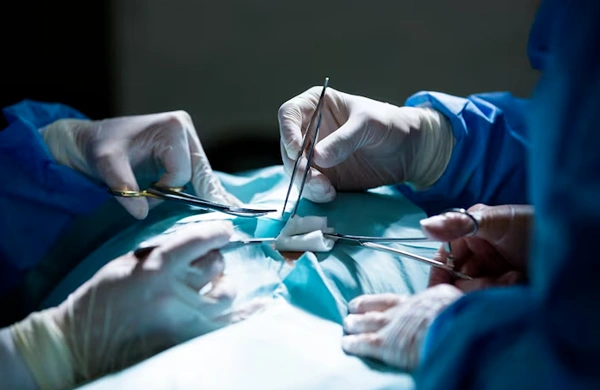
Reconstructive surgery in urology focuses on restoring the normal structure and function of the urinary and male reproductive system. It is performed to repair damage caused by injury, congenital abnormalities, infections, or previous surgeries. These procedures help improve urinary function, relieve discomfort, and enhance overall quality of life. Many patients seek Reconstructive Urology Surgery treatment in Mumbai under the care of Dr. Shashank Sharma, an experienced urologist specializing in advanced reconstructive and minimally invasive urological procedures.
Reconstructive surgery in urology involves repairing or rebuilding parts of the urinary tract or male reproductive organs to restore normal function. The urinary system includes the kidneys, ureters, bladder, and urethra, all of which may require reconstruction in certain medical conditions.
These surgeries are often performed when there is damage, blockage, or abnormal development in the urinary tract. The goal is to restore normal urine flow, prevent complications, and improve the patient’s quality of life.
Reconstructive procedures may include urethroplasty, ureteric reimplantation, bladder reconstruction, and other corrective surgeries.
Reconstructive urological surgery is recommended when the urinary tract is damaged or not functioning properly.
Urethral Stricture:
Narrowing of the urethra due to scar tissue may require surgical reconstruction.
Congenital Abnormalities:
Some individuals are born with structural problems in the urinary system.
Injury or Trauma:
Accidents or pelvic injuries can damage urinary organs.
Complications From Previous Surgery:
Some procedures may lead to structural problems requiring correction.
Urinary Tract Blockage:
Obstruction in the urinary tract can affect urine flow.
Urinary Incontinence:
Reconstruction may help restore bladder control in certain cases.
Reconstructive surgery plays a crucial role in restoring normal urinary function and preventing long-term health issues.
Restores Normal Urinary Function:
Helps patients regain proper urine flow and bladder control.
Improves Quality of Life:
Reduces symptoms such as pain, difficulty urinating, or leakage.
Prevents Long-Term Complications:
Untreated urinary problems may lead to infections or kidney damage.
Corrects Structural Abnormalities:
Repairs defects in the urinary tract.
Enhances Physical Comfort:
Eliminates discomfort caused by urinary tract problems.
Supports Long-Term Urinary Health:
Ensures the urinary system functions efficiently.
The approach to Reconstructive Urology Surgery treatment in Mumbai depends on the underlying condition and the area of the urinary tract that requires repair. Dr. Shashank Sharma uses advanced surgical techniques to provide effective treatment.
Before recommending reconstructive surgery, doctors perform a detailed evaluation to determine the cause and severity of the condition.
Diagnostic tests may include:
Ultrasound of the urinary tract
CT scan or MRI imaging
Cystoscopy to examine the bladder and urethra
Uroflowmetry to assess urine flow
Urine and blood tests to evaluate kidney and urinary health
Reconstructive surgery is usually performed under general or spinal anesthesia.
The procedure varies depending on the condition being treated, but typically includes the following steps:
The surgeon identifies the damaged or abnormal part of the urinary tract.
The affected tissue is carefully repaired or removed.
Healthy tissue may be used to rebuild the damaged area if necessary.
The urinary tract is reconstructed to restore normal urine flow.
Temporary stents or catheters may be placed to support healing.
The duration of the surgery depends on the complexity of the condition and the type of reconstruction required.
Recovery after reconstructive urological surgery depends on the specific procedure performed.
Most patients may need to stay in the hospital for 1–4 days after surgery.
After surgery, patients are generally advised to:
Follow the doctor’s instructions regarding catheter or stent care
Avoid heavy lifting or strenuous activity for several weeks
Drink plenty of fluids to maintain urinary health
Take prescribed medications to prevent infection
Attend regular follow-up visits for monitoring recovery
Most patients can return to normal daily activities within 3–6 weeks.
Reconstructive urology surgery provides several benefits for patients with urinary tract problems.
Restores Urinary Function:
Helps improve urine flow and bladder control.
Corrects Structural Abnormalities:
Repairs damaged or abnormal urinary tract structures.
Prevents Long-Term Complications:
Reduces the risk of infections and kidney damage.
Improves Comfort and Confidence:
Relieves symptoms that affect daily life.
Advanced Surgical Techniques:
Modern methods offer safe and effective outcomes.
Better Long-Term Health:
Ensures proper functioning of the urinary system.
Experienced Urologist:
Dr. Shashank Sharma has extensive experience in treating complex urological conditions.
in Reconstructive Urology:
Expert in procedures such as urethroplasty, ureteric reimplantation, and advanced urinary tract reconstruction.
Advanced Surgical Technology:
Uses modern techniques for precise and effective treatment.
Patient-Centered Approach:
Provides personalized care tailored to each patient’s condition.
High Success Rates:
Known for safe procedures and excellent outcomes.
Comprehensive Follow-Up Care:
Ensures long-term recovery and urinary health.
Reconstructive urology surgery involves repairing or rebuilding parts of the urinary tract to restore normal function.
Patients with urinary tract damage, congenital abnormalities, urethral strictures, or complications from previous surgeries may require reconstruction.
Yes, when performed by an experienced urologist, it is considered safe and effective for restoring urinary function.
Recovery usually takes 3–6 weeks, depending on the complexity of the surgery.
In many cases, reconstructive procedures provide long-term or permanent solutions for urinary tract problems.



Comments
Be the first to review