
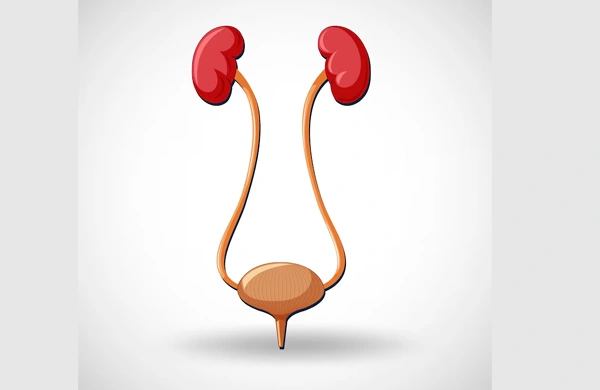
Ureteric reimplantation is a surgical procedure performed to reposition and reconnect the ureter to the bladder. The ureter is the tube that carries urine from the kidney to the bladder. This surgery is commonly recommended when there is a problem with the ureter’s connection to the bladder, which can cause urine to flow backward, become blocked, or leak into surrounding tissues. Ureteric reimplantation helps restore normal urinary function and prevent kidney damage. Many patients seek Ureteric Reimplantation treatment in Mumbai under the care of Dr. Shashank Sharma, an experienced urologist specializing in advanced reconstructive urological surgeries.
Ureteric reimplantation is a reconstructive surgical procedure that involves detaching the ureter from its abnormal connection and reattaching it to the bladder in a correct position.
This procedure is commonly performed to treat conditions such as vesicoureteral reflux (VUR), ureteral injury, ureteral blockage, or abnormalities present since birth. By repositioning the ureter, the surgery ensures that urine flows properly from the kidney into the bladder without backward flow or obstruction.
Ureteric reimplantation can be performed using open surgery, laparoscopic surgery, or robotic-assisted techniques, depending on the patient’s condition.
Ureteric reimplantation may be recommended when the connection between the ureter and bladder is not functioning properly.
Vesicoureteral Reflux (VUR):
Urine flows backward from the bladder into the ureter and kidney.
Ureteral Injury:
Damage to the ureter due to surgery or trauma.
Ureteral Obstruction:
Blockage that prevents urine from flowing normally.
Congenital Abnormalities:
Some individuals are born with abnormal ureter placement.
Recurrent Urinary Tract Infections:
Improper urine flow increases the risk of infections.
Kidney Damage Risk:
Untreated reflux or obstruction may harm kidney function.
Ureteric reimplantation is important for protecting kidney health and restoring proper urinary function.
Prevents Backward Flow of Urine:
Stops urine from moving back toward the kidney.
Protects Kidney Function:
Prevents long-term kidney damage caused by reflux or obstruction.
Reduces Risk of Infections:
Improves urine drainage and lowers infection risk.
Restores Normal Urinary System Function:
Ensures proper urine flow from kidney to bladder.
Provides Long-Term Solution:
Offers a permanent correction for ureter-related abnormalities.
Improves Overall Quality of Life:
Relieves symptoms and prevents future complications.
The approach to Ureteric Reimplantation treatment in Mumbai depends on the cause of the ureter problem and the patient’s overall health. Dr. Shashank Sharma uses advanced surgical techniques to achieve safe and effective results.
Before recommending ureteric reimplantation, doctors perform several tests to identify the underlying issue and assess kidney function.
Diagnostic tests may include:
Ultrasound of the kidneys and bladder
CT scan or MRI for detailed imaging
Voiding cystourethrogram (VCUG) to detect urine reflux
Urine tests to check for infection
Blood tests to evaluate kidney function
The surgery is usually performed under general anesthesia.
During the procedure:
The surgeon makes a small incision in the lower abdomen (or uses laparoscopic instruments).
The abnormal portion of the ureter is carefully separated from the bladder.
The ureter is repositioned and reattached to the bladder in the correct location.
A new tunnel may be created in the bladder wall to prevent urine from flowing backward.
A temporary stent may be placed to support healing.
The surgical incision is closed with sutures.
The surgery typically takes 2 to 3 hours, depending on the complexity of the condition.
Recovery after ureteric reimplantation varies depending on the surgical method used.
Most patients stay in the hospital for 2–4 days after the procedure.
After surgery, patients are usually advised to:
Drink plenty of fluids to maintain healthy urine flow
Avoid strenuous physical activities for several weeks
Take prescribed medications to prevent infection
Attend follow-up appointments to monitor recovery
Remove the temporary stent after healing if one is placed
Most patients can return to normal activities within 3–4 weeks.
Ureteric reimplantation offers several advantages for patients with ureter-related conditions.
Permanent Correction:
Provides a long-term solution for reflux and ureteral abnormalities.
Protects Kidney Function:
Prevents long-term kidney damage.
Reduces Infection Risk:
Improves urine drainage and reduces urinary infections.
Restores Normal Urinary Flow:
Ensures proper functioning of the urinary tract.
Minimally Invasive Options:
Laparoscopic and robotic techniques allow faster recovery.
Improved Quality of Life:
Eliminates symptoms and prevents future complications.
Experienced Urologist:
Dr. Shashank Sharma has extensive experience in treating complex urological conditions.
Expert in Reconstructive Urology:
Specializes in advanced procedures including ureteric reimplantation and urethral reconstruction.
Advanced Surgical Techniques:
Uses modern laparoscopic and minimally invasive methods.
Personalized Patient Care:
Treatment plans are customized according to individual patient needs.
High Success Rates:
Known for delivering safe and effective surgical outcomes.
Comprehensive Follow-Up Care:
Ensures long-term monitoring and patient recovery.
This surgery is commonly performed for vesicoureteral reflux, ureteral injury, ureteral obstruction, or congenital abnormalities.
It is considered a significant procedure, but minimally invasive techniques can reduce recovery time and complications.
Most patients recover within 3–4 weeks, depending on the surgical method used.
In many cases, a temporary ureteral stent is placed to support healing and is removed later.
Yes, the procedure has a high success rate and effectively restores normal urinary function.



Comments
Be the first to review