Pyeloplasty is a surgical procedure used to treat ureteropelvic junction (UPJ) obstruction, a condition in which the flow of urine from the kidney to the ureter is blocked or restricted. This blockage can lead to swelling of the kidney, pain, infections, and reduced kidney function if left untreated. Pyeloplasty helps restore normal urine flow by removing the obstructed segment and reconnecting the healthy parts of the urinary tract. Many patients seek Pyeloplasty treatment in Mumbai under the expertise of Dr. Shashank Sharma, a skilled urologist specializing in advanced and minimally invasive urological procedures.
Pyeloplasty is a surgical procedure performed to repair the blockage between the kidney and the ureter, known as the ureteropelvic junction.
In this condition, urine cannot flow normally from the kidney to the bladder, causing urine to accumulate in the kidney. Over time, this can lead to hydronephrosis (kidney swelling) and damage to kidney function.
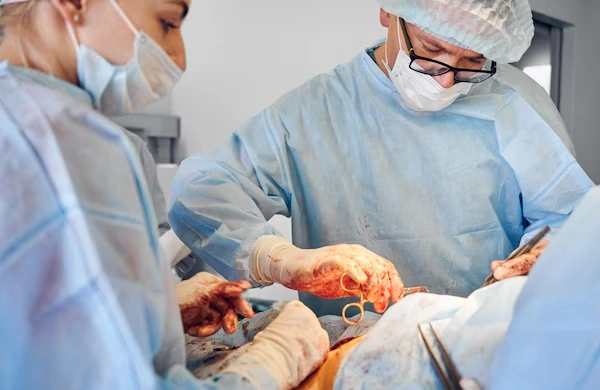
During pyeloplasty, the surgeon removes the blocked portion of the ureter and reconnects the healthy part to the kidney, allowing urine to flow normally again. The procedure can be performed using open surgery, laparoscopic surgery, or robotic-assisted techniques.
Pyeloplasty is recommended when there is a significant blockage affecting urine flow from the kidney.
Ureteropelvic Junction (UPJ) Obstruction:
A narrowing at the junction of the kidney and ureter blocks urine flow.
Kidney Swelling (Hydronephrosis):
Urine buildup causes the kidney to enlarge and become painful.
Recurring Kidney Infections:
Blockage increases the risk of repeated infections.
Kidney Stones:
Poor urine drainage may lead to stone formation.
Congenital Abnormalities:
Some people are born with structural issues in the urinary tract.
Reduced Kidney Function:
Long-term obstruction may damage the kidney if not treated.
Pyeloplasty plays an important role in restoring normal kidney function and preventing long-term complications.
Restores Normal Urine Flow:
The procedure removes the blockage and allows urine to drain properly.
Protects Kidney Function:
Early treatment helps prevent permanent kidney damage.
Relieves Pain and Discomfort:
Reduces symptoms such as flank pain and urinary problems.
Prevents Recurrent Infections:
Improves drainage and lowers the risk of infections.
Minimally Invasive Options:
Laparoscopic and robotic techniques offer quicker recovery.
Improves Overall Kidney Health:
Ensures the urinary system functions normally.
The approach to Pyeloplasty treatment in Mumbai depends on the severity of the blockage and the patient’s overall condition. Dr. Shashank Sharma uses advanced surgical techniques to ensure effective and safe treatment.
Before recommending pyeloplasty, doctors perform several tests to confirm the blockage and evaluate kidney function.
Common diagnostic tests include:
Ultrasound of the kidney and urinary tract
CT scan or MRI for detailed imaging
Nuclear renal scan to evaluate kidney function
Urine tests to detect infection
Blood tests to assess kidney health
Pyeloplasty is usually performed under general anesthesia.
The procedure involves the following steps:
Small incisions are made in the abdomen for laparoscopic surgery.
A laparoscope with a camera is inserted to visualize the kidney.
The surgeon identifies the blocked segment of the ureter.
The obstructed portion is removed carefully.
The healthy ureter is reattached to the kidney to restore normal urine flow.
A temporary stent may be placed to help the ureter heal properly.
The incisions are closed with sutures.
The surgery typically takes 2 to 3 hours, depending on the complexity of the case.
Recovery after pyeloplasty varies depending on the surgical technique used.
Most patients stay in the hospital for 1–3 days after the procedure.
Patients are usually advised to:
Drink plenty of fluids to maintain urine flow
Avoid strenuous activities for several weeks
Take prescribed medications to prevent infection
Attend follow-up visits for monitoring recovery
Remove the ureteral stent after a few weeks if placed
Most patients can resume normal activities within 2–4 weeks.
Pyeloplasty offers several benefits for patients suffering from urinary tract obstruction.
High Success Rate:
The procedure effectively restores urine flow in most patients.
Protects Kidney Function:
Prevents long-term damage to the kidney.
Minimally Invasive Options:
Laparoscopic and robotic surgery provide faster recovery.
Reduces Pain and Symptoms:
Relieves pressure and discomfort caused by urine buildup.
Prevents Recurring Infections:
Improved drainage lowers the risk of infections.
Long-Term Solution:
Provides permanent correction of the obstruction in most cases.
Experienced Urologist:
Dr. Shashank Sharma has extensive experience in treating complex urological conditions.
Expert in Minimally Invasive Surgery:
Specializes in laparoscopic and advanced urological procedures for better outcomes.
Advanced Diagnostic and Surgical Techniques:
Uses modern medical technology for accurate diagnosis and effective treatment.
Personalized Patient Care:
Treatment plans are tailored according to each patient’s condition.
Focus on Kidney Preservation:
Ensures maximum preservation of kidney function.
Comprehensive Follow-Up Care:
Provides continuous monitoring to ensure complete recovery.
Pyeloplasty has a very high success rate (over 90%), especially when performed using modern surgical techniques.
It is considered a significant procedure, but laparoscopic and robotic techniques make it minimally invasive with faster recovery.
Most patients recover within 2–4 weeks, depending on the surgical method used.
In many cases, a temporary ureteral stent is placed to support healing and is removed after a few weeks.
Recurrence is rare, but regular follow-up visits help ensure the urinary system remains healthy.


Comments
Be the first to review