
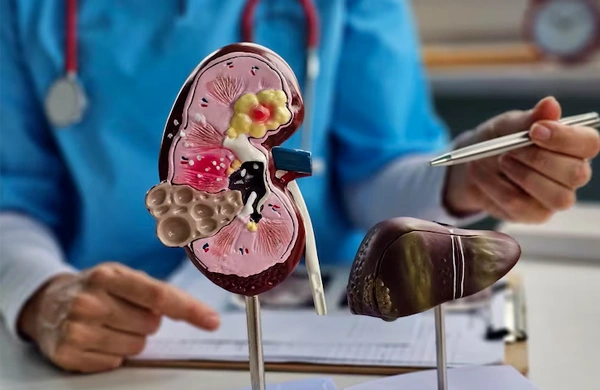
Simple nephrectomy is a surgical procedure performed to remove a damaged or non-functioning kidney due to disease, severe infection, trauma, or other medical conditions. The kidneys play a vital role in filtering waste and maintaining fluid balance in the body, but when a kidney is severely affected and cannot function properly, removing it may be necessary to protect overall health. For advanced surgical care, many patients seek Simple Nephrectomy treatment in Mumbai under the expertise of Dr. Shashank Sharma, a highly experienced Consultant Urologist specializing in modern urological surgeries and minimally invasive procedures.
Simple nephrectomy is a surgical procedure in which one kidney is completely removed due to severe damage or loss of function. Unlike radical nephrectomy, which involves removing surrounding tissues and lymph nodes, simple nephrectomy focuses only on removing the affected kidney.
The procedure may be performed using open surgery or minimally invasive laparoscopic techniques, depending on the patient’s condition and the complexity of the disease.
After the surgery, the remaining healthy kidney usually compensates for the lost kidney and continues to perform essential body functions effectively.
Simple nephrectomy is recommended when a kidney becomes severely damaged or non-functional and poses a risk to the patient’s health.
Severely Damaged Kidney:
Chronic disease or injury can permanently damage kidney tissue.
Non-Functioning Kidney:
If a kidney loses its ability to function properly, removal may be necessary.
Severe Kidney Infections:
Repeated or severe infections can destroy kidney tissue.
Large Kidney Stones:
Untreated stones may lead to irreversible kidney damage.
Obstruction in the Urinary Tract:
Long-term blockage may cause permanent kidney dysfunction.
Traumatic Kidney Injury:
Serious accidents or injuries may require surgical removal of the kidney.
Simple nephrectomy is an important treatment for protecting overall health when a kidney is no longer functioning properly.
Prevents Further Complications:
Removing a damaged kidney helps prevent infections and other serious problems.
Relieves Chronic Pain:
Patients often experience relief from persistent pain caused by kidney disease.
Improves Overall Health:
Eliminating a non-functioning kidney can improve overall well-being.
Protects the Remaining Kidney:
Early treatment prevents strain or infection from spreading.
Effective Long-Term Solution:
Surgery offers a permanent solution when the kidney cannot be restored.
Supports Better Quality of Life:
Many patients experience improved health and comfort after the procedure.
The approach to Simple Nephrectomy treatment in Mumbai depends on the patient’s condition and the extent of kidney damage. Dr. Shashank Sharma performs this surgery using advanced techniques to ensure safe and effective results.
Before recommending simple nephrectomy, doctors conduct a detailed evaluation to assess kidney function and overall health.
Diagnostic tests may include:
Ultrasound of the kidneys and urinary tract
CT scan or MRI for detailed imaging
Blood tests to evaluate kidney function
Urine tests to detect infection
Nuclear scan to measure kidney function
Simple nephrectomy is usually performed under general anesthesia.
There are two main surgical approaches:
Laparoscopic Nephrectomy:
Small incisions are made in the abdomen, and a camera-guided instrument is used to remove the kidney. This method offers faster recovery and less pain.
Open Nephrectomy:
In complex cases, a larger incision may be made to remove the kidney safely.
During the procedure:
The surgeon carefully separates the kidney from surrounding tissues.
The blood vessels and ureter connected to the kidney are sealed.
The affected kidney is removed safely.
The incision is closed using sutures.
The surgery typically takes 2 to 3 hours, depending on the complexity of the case.
Recovery after simple nephrectomy varies depending on the surgical method used.
Patients undergoing laparoscopic surgery usually recover faster and may stay in the hospital for 2–3 days, while open surgery may require a slightly longer hospital stay.
Patients are generally advised to:
Avoid heavy lifting and strenuous activities for a few weeks
Drink adequate fluids to support kidney function
Take prescribed medications for pain and infection prevention
Follow a balanced diet to support overall health
Attend follow-up appointments to monitor recovery
Most patients can return to normal activities within 3–6 weeks.
Simple nephrectomy offers several benefits for patients with a severely damaged kidney.
Removes the Source of Infection or Pain:
Eliminates the diseased kidney causing health problems.
Improves Overall Health:
Prevents complications associated with non-functioning kidneys.
Minimally Invasive Options Available:
Laparoscopic techniques allow quicker recovery.
Protects the Remaining Kidney:
Removing the diseased kidney reduces stress on the healthy kidney.
Long-Term Solution:
Provides permanent relief from chronic kidney-related issues.
Better Quality of Life:
Patients often experience improved health and comfort after surgery.
Highly Experienced Urologist:
Dr. Shashank Sharma has over 12 years of experience in performing advanced urological surgeries.
Expertise in Kidney Surgeries:
Specializes in procedures such as laparoscopic nephrectomy, PCNL, RIRS, and other kidney treatments.
Advanced Surgical Technology:
Uses modern surgical equipment and minimally invasive techniques.
Patient-Focused Care:
Provides personalized treatment plans tailored to each patient’s condition.
Safe Surgical Approach:
Focuses on procedures that minimize complications and promote faster recovery.
Comprehensive Post-Surgery Care:
Ensures proper follow-up and long-term health monitoring.
Yes, most people can live a normal and healthy life with one functioning kidney.
Yes, it is considered a major surgical procedure, but minimally invasive techniques make recovery easier.
Recovery typically takes 3–6 weeks, depending on the surgical approach and the patient’s health.
Doctors may recommend maintaining a healthy diet, staying hydrated, and regular medical check-ups to support the remaining kidney.
Like any surgery, there are risks such as infection or bleeding, but these are minimized when performed by an experienced urologist.



Comments
Be the first to review