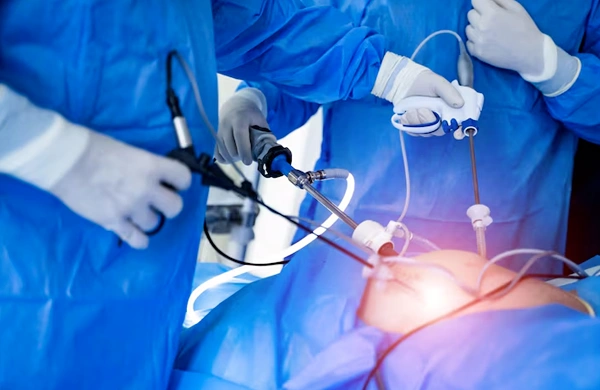
Cystoscopy is a diagnostic and sometimes therapeutic procedure used to examine the inside of the urinary bladder and urethra. It allows urologists to directly visualize the urinary tract using a specialized instrument called a cystoscope. This procedure helps detect and treat various urological conditions such as bladder stones, infections, tumors, and urinary blockages. For accurate diagnosis and advanced care, many patients seek Cystoscopy treatment in Mumbai under the expertise of Dr. Shashank Sharma, a highly experienced Consultant Urologist specializing in modern diagnostic and minimally invasive urological procedures.
Cystoscopy is a medical procedure that allows a doctor to examine the urethra and bladder using a thin tube called a cystoscope, which is equipped with a light and camera.
The cystoscope is gently inserted through the urethra into the bladder, allowing the doctor to view the lining of the bladder and urinary tract on a monitor. This helps identify abnormalities such as inflammation, stones, tumors, strictures, or other structural problems.
Cystoscopy may be performed for diagnostic purposes to investigate symptoms or for therapeutic purposes to treat certain conditions inside the bladder.
Cystoscopy is recommended when patients experience symptoms or conditions that require a detailed examination of the urinary tract.
Blood in Urine (Hematuria):
Cystoscopy helps identify the cause of bleeding in the urinary system.
Frequent Urinary Infections:
Recurring infections may require evaluation of the bladder and urethra.
Painful or Difficult Urination:
The procedure helps detect blockages, strictures, or inflammation.
Bladder Stones:
Cystoscopy can help identify and sometimes remove bladder stones.
Unexplained Urinary Symptoms:
Symptoms like urgency, frequency, or incomplete bladder emptying may require investigation.
Suspected Bladder Tumors:
Cystoscopy allows direct visualization of abnormal growths inside the bladder.
Cystoscopy plays an important role in diagnosing and managing urinary tract conditions.
Accurate Diagnosis:
Provides a clear and direct view of the bladder and urethra.
Early Detection of Diseases:
Helps identify bladder tumors, stones, and infections at an early stage.
Guided Treatment:
Doctors can perform certain treatments during the same procedure.
Evaluation of Urinary Problems:
Helps determine the cause of symptoms such as pain, bleeding, or urinary difficulty.
Minimally Invasive Procedure:
Cystoscopy does not require surgical incisions.
Improves Treatment Outcomes:
Accurate diagnosis helps doctors plan effective treatment strategies.
The approach to Cystoscopy treatment in Mumbai depends on the purpose of the procedure and the patient’s symptoms. Dr. Shashank Sharma performs cystoscopy using advanced endoscopic equipment for precise diagnosis and treatment.
Before the procedure, doctors may recommend certain tests to evaluate the urinary system, such as:
Urine tests to check for infection
Ultrasound imaging of the bladder and kidneys
CT scan if required for detailed evaluation
Blood tests to assess overall health
Cystoscopy is usually performed under local, spinal, or general anesthesia, depending on the complexity of the procedure.
The patient is positioned comfortably, and the urethral area is cleaned.
A lubricated cystoscope is gently inserted through the urethra into the bladder.
Sterile fluid may be used to fill the bladder slightly to improve visibility.
The doctor examines the bladder lining and urethra using the camera attached to the cystoscope.
If required, small instruments can be passed through the cystoscope to take biopsy samples, remove stones, or treat certain conditions.
The procedure usually takes 15 to 30 minutes, depending on the purpose of the examination.
Cystoscopy is generally a quick procedure with minimal recovery time.
Most patients can return home the same day. Mild symptoms such as burning during urination, slight blood in urine, or frequent urination may occur temporarily.
Patients are usually advised to:
Drink plenty of water to flush the urinary system
Take prescribed medications if needed
Avoid strenuous activities for a short period
Contact the doctor if symptoms such as severe pain or persistent bleeding occur
Most patients recover fully within 1–2 days.
Cystoscopy offers several advantages in diagnosing and treating urinary tract conditions.
Direct Visualization:
Provides a clear view of the bladder and urethra.
Early Disease Detection:
Helps identify conditions such as tumors, stones, or infections early.
Minimally Invasive:
No surgical incisions are required.
Quick Procedure:
Usually completed within a short time.
Accurate Diagnosis:
Helps doctors determine the exact cause of urinary symptoms.
Immediate Treatment Possibility:
Some conditions can be treated during the same procedure.
Experienced Urologist:
Dr. Shashank Sharma has more than 12 years of experience in diagnosing and treating urological conditions.
Advanced Diagnostic Techniques:
Uses modern endoscopic equipment for accurate bladder examination.
Expertise in Minimally Invasive Procedures:
Specializes in procedures such as cystoscopy, URSL, RIRS, PCNL, and laser lithotripsy.
Patient-Centered Care:
Provides personalized treatment plans based on each patient’s symptoms and condition.
Comprehensive Urological Care:
Offers complete diagnosis, treatment, and follow-up for urinary tract disorders.
Focus on Patient Comfort:
Ensures safe procedures with minimal discomfort and quick recovery.
Cystoscopy is usually performed with local anesthesia or sedation, so discomfort is minimal. Some mild burning during urination may occur afterward.
The procedure typically takes 15 to 30 minutes, depending on whether it is diagnostic or therapeutic.
Most cystoscopy procedures are done on an outpatient basis, and patients can go home the same day.
Cystoscopy can detect bladder stones, tumors, infections, urethral strictures, and inflammation in the urinary tract.
Most patients recover within 24 to 48 hours, although mild urinary symptoms may occur temporarily.


Comments
Be the first to review