
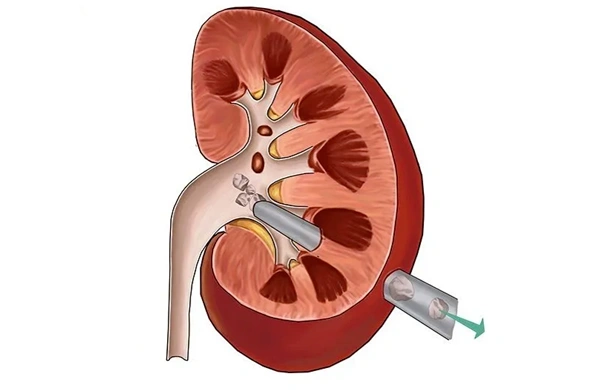
PCNL, or Percutaneous Nephrolithotomy, is an advanced surgical procedure used to remove large or complex kidney stones that cannot be treated effectively with other minimally invasive methods. Kidney stones can cause severe pain, urinary obstruction, infections, and kidney damage if not treated promptly. PCNL provides a highly effective solution for removing large stones directly from the kidney. For expert care and advanced treatment, many patients seek PCNL treatment in Mumbai under the guidance of Dr. Shashank Sharma, a highly experienced Consultant Urologist specializing in modern kidney stone surgeries and minimally invasive urological procedures.
PCNL (Percutaneous Nephrolithotomy) is a minimally invasive surgical procedure used to remove large kidney stones, usually those larger than 2 cm, directly from the kidney.
During the procedure, a small incision is made in the patient’s back to create a pathway into the kidney. Through this pathway, a thin instrument called a nephroscope is inserted to locate the stone. The stone is then broken into smaller fragments using specialized devices such as ultrasound or laser and removed from the kidney.
PCNL is considered one of the most effective treatments for large, multiple, or complex kidney stones, especially when other treatments like lithotripsy or ureteroscopy are not suitable.
PCNL is recommended when kidney stones are too large or complex to be treated with non-surgical methods.
Large Kidney Stones:
Stones larger than 2 cm are difficult to treat with shockwave therapy and usually require PCNL.
Staghorn Stones:
These stones occupy a large portion of the kidney and require direct removal.
Multiple Stones:
Patients with several stones in the kidney may benefit from PCNL for complete clearance.
Failure of Other Treatments:
If procedures like ESWL or URSL fail to remove the stone, PCNL may be required.
Urinary Obstruction:
Large stones may block urine flow and cause pressure inside the kidney.
Repeated Infections:
Kidney stones can increase the risk of recurrent urinary tract infections.
Risk of Kidney Damage:
Untreated large stones can gradually impair kidney function.
Timely PCNL treatment is important for preventing complications and preserving kidney health.
Complete Stone Removal:
PCNL allows direct removal of large stones from the kidney.
Prevents Kidney Damage:
Removing large stones reduces pressure on the kidney and protects kidney function.
Relieves Severe Pain:
The procedure eliminates the source of pain caused by large stones.
Reduces Risk of Infection:
Clearing stones helps prevent repeated urinary infections.
High Success Rate:
PCNL has a high success rate for treating large or complex kidney stones.
Improves Overall Kidney Health:
Timely treatment restores normal kidney function and urinary flow.
The approach to PCNL treatment in Mumbai depends on the size, location, and complexity of the kidney stone. Dr. Shashank Sharma performs PCNL using advanced equipment and modern surgical techniques for safe and effective results.
Before performing PCNL, a detailed evaluation is conducted to assess the stone and kidney condition. Diagnostic tests may include:
CT scan to determine the size and location of the stone
Ultrasound imaging of the kidneys
X-ray of the urinary tract
Blood tests to evaluate kidney function
Urine tests to detect infection
PCNL is usually performed under general anesthesia to ensure patient comfort.
A small incision (about 1 cm) is made in the back to access the kidney.
A tract is created from the skin to the kidney using specialized instruments.
A nephroscope (a thin telescope-like instrument) is inserted to visualize the stone.
The stone is broken into smaller fragments using laser, ultrasound, or pneumatic energy.
The stone fragments are removed from the kidney using special instruments.
In some cases, a temporary drainage tube or ureteral stent may be placed to help urine flow properly during recovery.
The procedure typically takes 1 to 2 hours, depending on the size and complexity of the stone.
After PCNL, patients usually stay in the hospital for 1–2 days for observation and recovery.
Some mild discomfort, temporary blood in urine, or fatigue may occur for a few days after the procedure.
Patients are generally advised to:
Drink plenty of water to flush the urinary system
Take prescribed medications to prevent infection
Avoid strenuous activities for a few weeks
Attend follow-up visits to monitor healing and ensure complete stone removal
Most patients can resume normal activities within 1–2 weeks.
PCNL provides several advantages for patients with large or complex kidney stones.
Highly Effective For Large Stones:
PCNL is the preferred treatment for stones larger than 2 cm.
Minimally Invasive Surgery:
The procedure requires only a small incision in the back.
High Stone Clearance Rate:
PCNL allows direct removal of stones for better treatment outcomes.
Shorter Recovery Time:
Compared to traditional open surgery, recovery is much faster.
Reduced Risk of Recurrence:
Complete removal of stones reduces the chance of leftover fragments forming new stones.
Improved Kidney Function:
Removing large stones helps restore proper kidney drainage and function.
Extensive Experience:
Dr. Shashank Sharma has more than 12 years of experience in performing advanced kidney stone surgeries.
Expertise in Complex Stone Cases:
Highly skilled in procedures such as PCNL, RIRS, URSL, and laser lithotripsy.
Advanced Surgical Technology:
Uses modern equipment and imaging guidance for precise stone removal.
Minimally Invasive Approach:
Focus on techniques that ensure minimal pain and faster recovery.
Personalized Treatment Plans:
Each patient receives a tailored treatment plan based on stone type and medical history.
Comprehensive Follow-up Care:
Regular monitoring helps prevent recurrence and maintain long-term kidney health.
PCNL is recommended for large kidney stones (usually larger than 2 cm), staghorn stones, or stones that cannot be treated with other minimally invasive methods.
PCNL is considered a minimally invasive surgery because it involves only a small incision and uses specialized instruments to remove stones.
Most patients recover within 1–2 weeks, although complete healing may take slightly longer depending on the patient’s condition.
The procedure is performed under general anesthesia, so patients do not feel pain during surgery. Mild discomfort afterward is manageable with medications.
Yes, kidney stones can recur. Maintaining proper hydration, following dietary recommendations, and regular medical check-ups can help reduce the risk of recurrence.



Comments
Be the first to review