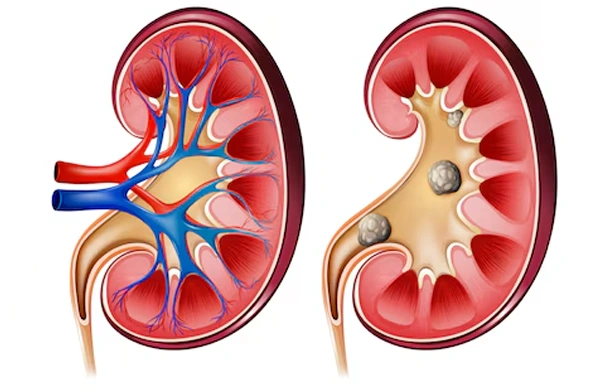
Kidney stones are hard mineral and salt deposits that form inside the kidneys and can cause severe pain and urinary problems when they move through the urinary tract. This condition affects millions of people worldwide and may lead to complications if not treated properly. Early diagnosis and appropriate treatment are essential to relieve symptoms and prevent recurrence. For expert diagnosis and advanced management, many patients seek Kidney Stone care in Mumbai under the guidance of Dr. Shashank Sharma, a highly experienced Consultant Urologist specializing in modern and minimally invasive urological procedures.
Kidney stones are solid crystals that develop when minerals such as calcium, oxalate, or uric acid accumulate in the urine and form hard deposits inside the kidneys. These stones can vary in size—from tiny grains to larger stones that may block the urinary tract.
Small stones may pass through the urine without causing significant discomfort. However, larger stones can block the ureter (the tube connecting the kidney to the bladder), leading to severe pain, infection, or difficulty passing urine.
Common symptoms of kidney stones include intense pain in the back or side, pain during urination, blood in urine, nausea, vomiting, and frequent urge to urinate.
Kidney stones develop when certain substances in urine become highly concentrated and crystallize. Several factors may increase the risk of kidney stone formation.
Dehydration:
Insufficient water intake can concentrate minerals in urine, making stone formation more likely.
Dietary Factors:
High intake of salt, protein, or oxalate-rich foods can increase the risk of stone formation.
Genetic Factors:
A family history of kidney stones may increase the likelihood of developing them.
Obesity:
Excess body weight can alter urine composition and increase the risk of kidney stones.
Certain Medical Conditions:
Conditions such as gout, urinary tract infections, and metabolic disorders may contribute to stone formation.
High Calcium or Uric Acid Levels:
Elevated levels of calcium or uric acid in urine can lead to crystal formation.
Digestive Disorders:
Conditions affecting nutrient absorption, such as inflammatory bowel disease, may increase the risk of kidney stones.
Proper medical care is essential to manage kidney stones effectively and prevent complications.
Relieves Severe Pain:
Timely treatment helps manage the intense pain associated with kidney stones.
Prevents Urinary Blockage:
Large stones can obstruct urine flow and damage the kidneys if untreated.
Avoids Infections:
Kidney stones can increase the risk of urinary tract infections.
Protects Kidney Function:
Early treatment prevents long-term damage to the kidneys.
Reduces Recurrence Risk:
Proper evaluation and lifestyle guidance help prevent future stone formation.
Improves Quality of Life:
Effective treatment allows patients to resume normal activities without discomfort.
The approach to Kidney Stone care in Mumbai depends on the size, location, and type of stone, as well as the patient’s symptoms. Dr. Shashank Sharma offers advanced diagnostic and treatment techniques to ensure effective management.
Kidney stones are diagnosed using various tests and imaging techniques, including:
Ultrasound of the kidneys and urinary tract
CT scan to determine stone size and location
Urine tests to detect infection or mineral levels
Blood tests to evaluate kidney function and metabolic causes
For smaller stones, conservative treatment may be sufficient.
Increased Fluid Intake:
Drinking plenty of water helps flush small stones out of the urinary tract.
Pain Management:
Medications are prescribed to relieve pain during stone passage.
Medical Expulsive Therapy:
Certain medications help relax the ureter, making it easier for stones to pass naturally.
For larger stones or stones causing severe symptoms, advanced procedures may be recommended.
Extracorporeal Shock Wave Lithotripsy (ESWL):
Shock waves are used to break stones into smaller fragments that can pass through urine.
Ureteroscopy (URS):
A thin scope is inserted through the urinary tract to locate and remove or break the stone using laser energy.
Retrograde Intrarenal Surgery (RIRS):
A flexible scope is used to reach stones in the kidney and break them using laser technology.
Percutaneous Nephrolithotomy (PCNL):
For large kidney stones, a small incision is made in the back to remove stones directly from the kidney.
Recovery depends on the type of treatment used. Minimally invasive procedures usually allow faster recovery and shorter hospital stays.
Patients are advised to:
Drink plenty of water daily
Follow dietary recommendations
Take prescribed medications
Attend regular follow-up visits
Undergo metabolic evaluation if stones recur
Adopting healthy lifestyle habits significantly reduces the risk of future stone formation.
Proper management of kidney stones offers several important health benefits.
Immediate Pain Relief:
Treatment eliminates or reduces the severe pain associated with kidney stones.
Prevents Kidney Damage:
Timely removal of stones protects kidney function.
Minimally Invasive Options:
Modern procedures ensure less pain, smaller incisions, and faster recovery.
Improved Urinary Health:
Treatment restores normal urine flow and reduces infection risk.
Lower Risk of Recurrence:
Medical guidance helps prevent new stone formation.
Better Overall Health:
Maintaining proper hydration and diet supports long-term kidney health.
Extensive Experience:
Dr. Shashank Sharma has more than 12 years of experience in managing kidney stones and other complex urological conditions.
Advanced Stone Treatment Techniques:
Expertise in modern procedures such as RIRS, URS, PCNL, and laser lithotripsy.
Accurate Diagnosis:
Comprehensive evaluation helps determine the exact cause and best treatment approach.
Minimally Invasive Procedures:
Focus on advanced techniques that ensure faster recovery and minimal discomfort.
Patient-Centered Care:
Treatment plans are personalized according to each patient’s condition and lifestyle.
Comprehensive Follow-up:
Regular monitoring and preventive guidance help reduce the chances of recurrence.
Common symptoms include severe pain in the back or side, pain during urination, blood in urine, nausea, vomiting, and frequent urge to urinate.
Yes. Small kidney stones may pass naturally through urine with adequate hydration and medications. Larger stones may require medical procedures.
Modern minimally invasive procedures are performed under anesthesia, so patients do not feel pain during the treatment.
Recovery time varies depending on the procedure but most patients resume normal activities within a few days to a couple of weeks.
Yes, kidney stones can recur. However, proper hydration, dietary changes, and medical guidance can significantly reduce the risk of recurrence.


Comments
Be the first to review