Male Hypogonadism is a medical condition in which the body does not produce enough testosterone, the primary male sex hormone responsible for sexual development, reproductive health, muscle mass, bone density, and overall energy levels. This condition can affect men at different stages of life and may lead to symptoms such as reduced libido, fatigue, infertility, and decreased muscle strength. For proper diagnosis and advanced management, many patients seek Male Hypogonadism treatment in Mumbai under the guidance of Dr. Shashank Sharma, an experienced Consultant Urologist specializing in men’s health and hormonal disorders.
Male Hypogonadism occurs when the testes fail to produce sufficient testosterone or sperm. Testosterone plays a crucial role in male development and overall health. When testosterone levels drop below normal, it can affect physical, emotional, and sexual well-being.
There are two main types of male hypogonadism:
Primary Hypogonadism (Testicular Failure):
This occurs when the testes themselves are unable to produce adequate testosterone due to injury, genetic conditions, infections, or medical treatments.
Secondary Hypogonadism:
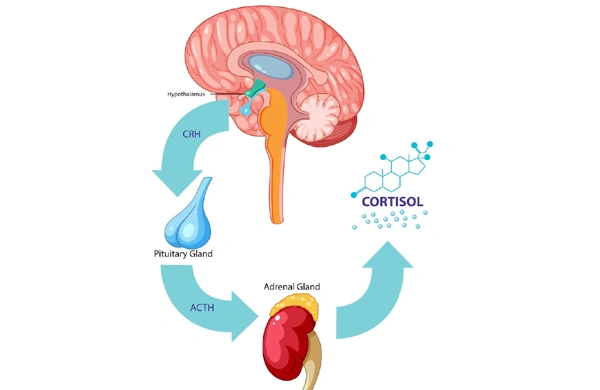
This type occurs when there is a problem with the hypothalamus or pituitary gland in the brain, which controls hormone production in the testes.
Symptoms may vary depending on age but commonly include low sex drive, erectile dysfunction, reduced muscle mass, fatigue, mood changes, infertility, and decreased body hair.
Male hypogonadism can develop due to several medical conditions or lifestyle factors affecting hormone production.
Aging:
Testosterone levels naturally decline with age, which may contribute to symptoms of hypogonadism in older men.
Genetic Disorders:
Conditions such as Klinefelter syndrome may affect normal testicular development and hormone production.
Injury or Infection of the Testicles:
Trauma, infections like mumps orchitis, or medical treatments such as chemotherapy can damage the testes.
Hormonal Disorders:
Problems in the pituitary gland or hypothalamus can disrupt the hormonal signals required for testosterone production.
Obesity:
Excess body fat may affect hormone balance and reduce testosterone levels.
Chronic Illness:
Conditions such as diabetes, kidney disease, and liver disease can impact hormone production.
Certain Medications:
Long-term use of steroids, opioids, or other medications may interfere with testosterone levels.
Stress and Lifestyle Factors:
Poor diet, lack of sleep, excessive alcohol consumption, and smoking can contribute to hormonal imbalance.
Timely diagnosis and treatment of male hypogonadism are essential to maintain overall health and quality of life.
Restores Hormone Balance:
Treatment helps normalize testosterone levels in the body.
Improves Sexual Health:
It helps improve libido, erectile function, and reproductive health.
Enhances Energy and Mood:
Balanced testosterone levels can reduce fatigue and improve mental well-being.
Supports Muscle and Bone Health:
Testosterone plays a key role in maintaining muscle mass and bone density.
Improves Fertility:
In some cases, treatment may help restore sperm production and improve fertility.
Boosts Overall Quality of Life:
Patients often experience improved confidence, strength, and vitality after treatment.
The approach to Male Hypogonadism treatment in Mumbai depends on identifying the underlying cause and determining the severity of the hormone deficiency. Dr. Shashank Sharma provides a comprehensive evaluation and personalized treatment plan for each patient.
Diagnosis involves a detailed assessment of symptoms, medical history, and laboratory tests. These may include:
Blood tests to measure testosterone levels
Hormone testing to evaluate pituitary gland function
Semen analysis for fertility assessment
Imaging studies if hormonal gland disorders are suspected
Treatment focuses on restoring testosterone levels and addressing the underlying cause.
Testosterone Replacement Therapy (TRT):
This is the most common treatment for male hypogonadism. Testosterone may be administered through injections, gels, patches, or implants to restore normal hormone levels.
Hormone-Stimulating Medications:
Certain medications may stimulate the body to produce more testosterone naturally.
Fertility-Focused Treatment:
If fertility is a concern, specialized hormonal therapies may be used to stimulate sperm production.
Lifestyle Modifications:
Maintaining a healthy weight, regular exercise, balanced diet, and stress management can help support hormonal health.
Regular follow-up appointments are essential to monitor testosterone levels, evaluate symptom improvement, and ensure safe and effective treatment.
Treating male hypogonadism offers several health benefits that improve both physical and emotional well-being.
Improves Sexual Function:
Treatment helps restore libido and erectile function.
Boosts Energy Levels:
Patients often experience increased stamina and reduced fatigue.
Enhances Mood and Mental Health:
Balanced hormones can improve mood, reduce irritability, and enhance overall mental well-being.
Supports Muscle Strength and Bone Health:
Adequate testosterone helps maintain muscle mass and prevents bone loss.
Improves Fertility Potential:
Certain treatments can stimulate sperm production and improve reproductive health.
Long-Term Health Benefits:
Proper treatment reduces the risk of complications associated with low testosterone levels.
Extensive Experience:
Dr. Shashank Sharma has more than 12 years of experience in diagnosing and treating complex urological and hormonal disorders in men.
Comprehensive Evaluation:
Detailed hormonal testing and medical evaluation help identify the root cause of the condition.
Advanced Treatment Options:
Expertise in modern therapies including testosterone replacement therapy and hormone-based treatments.
Personalized Care:
Each patient receives a customized treatment plan based on individual symptoms, health status, and fertility goals.
Modern Medical Facilities:
Treatment is provided using advanced diagnostic tools and evidence-based medical practices.
Continuous Monitoring and Support:
Regular follow-up ensures safe hormone levels and long-term treatment success.
Symptoms include low libido, erectile dysfunction, fatigue, reduced muscle mass, mood changes, infertility, and decreased body hair.
It is diagnosed through blood tests that measure testosterone levels along with evaluation of symptoms and medical history.
Yes. Most cases can be effectively managed with testosterone replacement therapy, medications, and lifestyle changes.
When prescribed and monitored by a qualified doctor, testosterone therapy is generally safe and effective for treating low testosterone levels.
Yes, low testosterone levels can affect sperm production and fertility. Specialized treatments may help improve reproductive health in some patients.


Comments
Be the first to review