
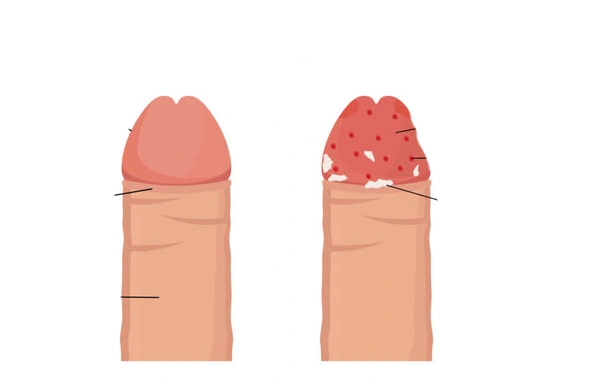
Balanitis is a common condition characterized by inflammation of the head of the penis (glans). It can cause discomfort, redness, swelling, itching, and sometimes pain during urination or sexual activity. Balanitis is most commonly seen in uncircumcised men and may occur due to infections, poor hygiene, or underlying medical conditions. For proper diagnosis and effective management, many patients seek Balanitis care in Mumbai under the guidance of Dr. Shashank Sharma, an experienced Consultant Urologist specializing in advanced and minimally invasive urological treatments.
Balanitis refers to inflammation or irritation of the glans penis. It may occur alone or together with inflammation of the foreskin, a condition known as balanoposthitis. The condition can affect males of any age but is more common in uncircumcised men because the area under the foreskin can trap moisture, bacteria, and fungi.
Balanitis may cause symptoms such as redness, swelling, itching, burning sensation, discharge, unpleasant odor, or pain. In some cases, it may also lead to difficulty retracting the foreskin or discomfort during urination and sexual activity.
Balanitis can occur due to several causes that irritate or infect the delicate skin of the glans. Some of the most common causes include:
Poor Hygiene:
Improper cleaning under the foreskin can allow bacteria and fungi to grow, leading to irritation and infection.
Fungal Infections:
Candida (yeast infection) is one of the most common causes of balanitis, particularly in individuals with diabetes.
Bacterial Infections:
Certain bacteria may cause inflammation, redness, and discharge.
Sexually Transmitted Infections (STIs):
Some infections transmitted during sexual contact may trigger balanitis symptoms.
Skin Conditions:
Dermatological disorders such as psoriasis, eczema, or lichen sclerosus can affect the genital skin and lead to balanitis.
Diabetes:
High blood sugar levels increase the risk of infections and inflammation in the genital area.
Irritation From Chemicals:
Soaps, detergents, lubricants, or latex condoms may irritate sensitive skin.
Phimosis:
A tight foreskin can trap moisture and bacteria, increasing the risk of infection and inflammation.
Proper and timely treatment of balanitis is essential to prevent complications and maintain good genital health.
Relieves Pain and Discomfort:
Treatment helps reduce redness, swelling, itching, and burning sensations.
Prevents Recurrent Infections:
Without treatment, balanitis may recur frequently and worsen over time.
Improves Hygiene:
Managing balanitis makes it easier to maintain cleanliness and prevent bacterial or fungal growth.
Prevents Complications:
Untreated balanitis may lead to phimosis (tight foreskin) or paraphimosis, which may require surgical treatment.
Protects Sexual Health:
Proper treatment reduces discomfort during sexual activity and lowers the risk of infection transmission.
Supports Overall Urological Health:
Early treatment helps maintain healthy genital tissues and prevents long-term issues.
The approach to Balanitis care in Mumbai depends on the underlying cause, severity of symptoms, and the patient’s medical condition. Dr. Shashank Sharma provides accurate diagnosis and personalized treatment plans for effective recovery.
Balanitis is usually diagnosed through a physical examination. In some cases, additional tests may be recommended to identify the cause, such as:
Swab test to detect bacterial or fungal infections
Blood sugar test to check for diabetes
Urine tests to rule out infections
Screening for sexually transmitted infections if required
Treatment is based on the underlying cause of inflammation.
Antifungal Medications:
If the infection is caused by yeast (Candida), antifungal creams or oral medications may be prescribed.
Antibiotics:
Bacterial infections are treated with antibiotic creams or oral medications.
Anti-inflammatory Creams:
Steroid creams may be recommended to reduce swelling, redness, and irritation.
Improved Hygiene Practices:
Patients are advised to gently clean the area under the foreskin with mild soap and water and keep it dry.
In cases where balanitis occurs repeatedly or is associated with phimosis, surgical treatment may be recommended.
Circumcision:
Circumcision removes the foreskin and prevents the accumulation of moisture and bacteria, providing a long-term solution for recurrent balanitis.
Laser Circumcision:
A modern minimally invasive procedure that ensures less bleeding, minimal discomfort, and faster recovery.
Recovery from balanitis treatment depends on the underlying cause and the treatment method used. Most mild infections improve within a few days with proper medications.
Patients are advised to:
Maintain proper genital hygiene
Avoid harsh soaps or chemical irritants
Keep the area clean and dry
Control blood sugar levels if diabetic
Avoid sexual activity until the infection is fully treated
Following the doctor’s instructions and attending follow-up visits helps ensure complete healing and prevents recurrence.
Timely treatment of balanitis provides several health benefits.
Fast Relief From Symptoms:
Treatment quickly reduces pain, redness, itching, and swelling.
Prevents Recurrent Infections:
Proper care reduces the chances of repeated episodes.
Improves Genital Hygiene:
Healthy foreskin movement allows proper cleaning and prevents bacterial growth.
Reduces Risk of Complications:
Early treatment prevents phimosis, paraphimosis, and other complications.
Enhances Comfort and Confidence:
Patients experience improved comfort during daily activities and sexual health.
Supports Long-Term Urological Health:
Proper management protects the sensitive genital skin and prevents future problems.
Extensive Clinical Experience:
Dr. Shashank Sharma has more than 12 years of experience in diagnosing and treating various urological conditions, including balanitis.
Accurate Diagnosis:
Comprehensive evaluation helps identify the exact cause and provide targeted treatment.
Advanced Treatment Options:
Expertise in both medical management and minimally invasive procedures like laser circumcision.
Personalized Patient Care:
Each patient receives a customized treatment plan based on their symptoms and medical history.
Modern Facilities:
Treatment is provided using advanced medical equipment and safe surgical techniques.
Complete Follow-up Care:
Regular follow-up ensures proper healing and prevents recurrence.
Common symptoms include redness, swelling, itching, burning sensation, discharge, and pain around the head of the penis. Some men may also experience difficulty retracting the foreskin.
Balanitis itself is not always contagious, but if it is caused by a fungal or sexually transmitted infection, it may spread through sexual contact.
With proper treatment, mild balanitis usually improves within 3–7 days. More severe infections may take longer to resolve.
Yes, balanitis can recur if hygiene is not maintained or if the underlying cause is not treated. In recurrent cases, circumcision may be recommended.
You should consult a urologist if symptoms persist for more than a few days, worsen, or if there is severe pain, swelling, or discharge.



Comments
Be the first to review