
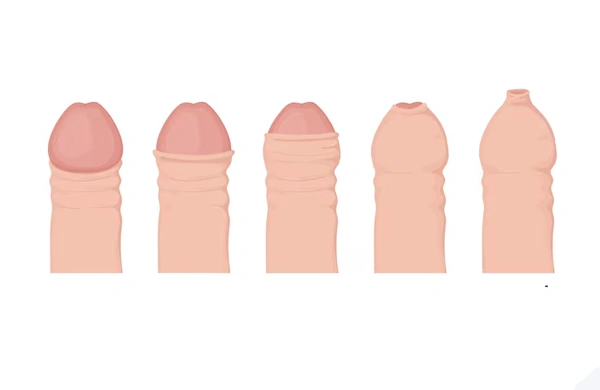
Phimosis is a condition in which the foreskin of the penis becomes too tight to be pulled back over the head (glans) of the penis. While it is normal in young boys, persistent phimosis in adolescents or adults can cause discomfort, hygiene issues, infections, and difficulty during urination or sexual activity. For expert care and advanced management, patients often seek Phimosis treatment in Mumbai under the guidance of Dr. Shashank Sharma, a highly experienced Consultant Urologist known for his expertise in minimally invasive urological procedures.
Phimosis occurs when the foreskin cannot be retracted (pulled back) from the head of the penis. In children, this is usually a natural condition that resolves on its own as they grow. However, when phimosis persists in teenagers or adults, it can lead to symptoms such as pain, swelling, redness, difficulty in maintaining hygiene, or recurrent infections.
There are two types of phimosis:
Physiological Phimosis:
This is common in infants and young boys. The foreskin is naturally tight but gradually loosens with age.
Pathological Phimosis:
This occurs due to scarring, infection, inflammation, or other medical conditions. It may require medical or surgical treatment.
Phimosis can develop due to several reasons affecting the elasticity and health of the foreskin. Common causes include:
Poor Hygiene:
Improper cleaning under the foreskin may lead to bacterial or fungal infections, causing inflammation and tightening of the foreskin.
Recurrent Infections:
Conditions like balanitis (inflammation of the glans) or balanoposthitis (inflammation of the glans and foreskin) can result in scarring and phimosis.
Skin Conditions:
Dermatological issues such as lichen sclerosus can cause thickening and tightening of the foreskin.
Diabetes:
Men with uncontrolled diabetes are more prone to infections that can lead to phimosis.
Injury or Forceful Retraction:
Forcefully pulling back the foreskin can cause micro-tears, leading to scar tissue formation and tightening.
Age-Related Changes:
In adults, decreased skin elasticity and repeated infections may contribute to the development of phimosis.
Timely treatment of phimosis is important to prevent complications and maintain proper genital health.
Improves Hygiene:
A retractable foreskin allows proper cleaning, reducing the risk of infections and unpleasant odor.
Relieves Pain and Discomfort:
Phimosis can cause pain during erections, urination, or sexual activity. Treatment helps eliminate these symptoms.
Prevents Infections:
Untreated phimosis increases the risk of balanitis, urinary tract infections, and fungal infections.
Avoids Complications:
Severe phimosis may lead to paraphimosis, a medical emergency where the foreskin gets stuck behind the glans.
Enhances Sexual Health:
Treatment improves comfort during sexual activity and boosts confidence.
Supports Overall Urological Health:
Early treatment prevents long-term complications and ensures better quality of life.
The approach to Phimosis treatment in Mumbai depends on the severity of the condition, symptoms, and the patient’s age. Dr. Shashank Sharma offers advanced diagnostic evaluation and modern treatment techniques.
The condition is usually diagnosed through a physical examination by a urologist. In some cases, additional tests may be recommended to check for infections, diabetes, or other underlying causes.
In early or mild cases, conservative treatment may help relieve symptoms.
Topical Steroid Creams:
Doctors may prescribe medicated creams that help soften the foreskin and improve its elasticity, allowing gradual retraction.
Gentle Stretching Exercises:
Guided stretching techniques can help loosen the foreskin over time.
Antibiotics or Antifungal Medications:
If infections are present, medications are given to treat the underlying cause.
When conservative methods do not provide relief or in cases of severe phimosis, surgery may be recommended.
Circumcision:
Circumcision is the most effective treatment for phimosis. It involves the surgical removal of the foreskin, allowing the glans to remain permanently exposed. The procedure is safe, quick, and provides a permanent solution.
Laser Circumcision:
A modern, minimally invasive technique where a laser is used to remove the foreskin with minimal bleeding, reduced pain, and faster recovery.
Preputioplasty:
In selected cases, this procedure widens the foreskin opening without completely removing it.
Recovery after phimosis treatment is usually quick. Most patients can return home the same day after the procedure.
Patients are advised to:
Maintain proper hygiene
Avoid strenuous physical activity for a few days
Follow prescribed medications
Attend follow-up appointments for proper healing
Most individuals resume normal activities within 5–10 days, while complete healing may take 2–3 weeks.
Treating phimosis offers several medical and lifestyle benefits.
Permanent Relief From Tight Foreskin:
Surgical treatment provides a long-term solution and prevents recurrence.
Improved Hygiene:
It becomes easier to maintain genital cleanliness, reducing infection risks.
Reduced Risk of Infections:
Treatment significantly lowers the chances of balanitis, fungal infections, and urinary tract infections.
Better Urinary Flow:
Severe phimosis may obstruct urine flow, which improves after treatment.
Enhanced Sexual Comfort:
Patients experience improved comfort and confidence during sexual activity.
Quick Recovery With Modern Techniques:
Laser and minimally invasive procedures ensure minimal pain, faster healing, and fewer complications.
Extensive Experience:
Dr. Shashank Sharma has over 12 years of experience in diagnosing and treating a wide range of urological conditions, including phimosis.
Advanced Surgical Expertise:
Highly skilled in laser circumcision and minimally invasive urological procedures for safe and effective treatment.
Patient-Centered Approach:
Every treatment plan is customized based on the patient’s condition, comfort, and medical needs.
State-of-the-Art Facilities:
Treatment is performed using modern equipment and advanced surgical techniques.
Trusted and Ethical Care:
Known for accurate diagnosis, transparent consultation, and compassionate patient care.
Comprehensive Follow-up:
Regular follow-up visits ensure proper healing and long-term health outcomes.
Common symptoms include difficulty retracting the foreskin, pain during erections, swelling, redness, and difficulty maintaining hygiene. In severe cases, it may cause pain during urination or recurrent infections.
In children, phimosis often resolves naturally as they grow older. However, in teenagers and adults, persistent phimosis usually requires medical treatment.
The procedure is performed under local or general anesthesia, so patients do not feel pain during surgery. Mild discomfort after the procedure is normal and can be managed with medications.
Most patients recover within 7–10 days, although complete healing may take about 2–3 weeks depending on the type of procedure performed.
Recurrence is extremely rare after circumcision or laser circumcision. Proper hygiene and post-operative care further reduce the chances of complications.



Comments
Be the first to review