
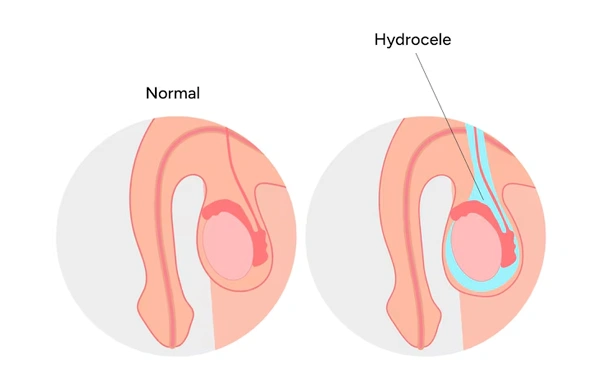
A hydrocele is a common urological condition characterized by fluid accumulation around the testicle, leading to swelling in the scrotum. While often painless, hydrocele can cause discomfort, heaviness, or cosmetic concerns. For safe and effective Hydrocele treatment in Mumbai, patients trust Dr. Shashank Sharma, a highly experienced Consultant Urologist specializing in advanced urological and minimally invasive procedures.
Hydrocele occurs when fluid collects in the thin sheath surrounding the testicle. It is more common in newborns and older men, though it can develop at any age. Hydrocele is generally not life-threatening, but if left untreated, it may cause discomfort or indicate underlying conditions such as infections, trauma, or testicular tumors.
Hydrocele can develop due to various reasons, including:
Congenital Causes: In newborns, the fluid may accumulate due to an incompletely closed processus vaginalis.
Injury or Trauma: Trauma to the testicles can trigger fluid buildup.
Infections: Infections in the scrotum or testicles can lead to hydrocele formation.
Inflammation: Chronic inflammation or underlying conditions may cause fluid accumulation.
Age-Related Factors: Older men may develop hydrocele due to weakening of scrotal tissues.
Treating hydrocele is important for several reasons:
Comfort and Mobility: Large hydroceles can cause heaviness and discomfort while walking or exercising.
Prevent Complications: Untreated hydrocele can sometimes mask serious conditions such as hernia or testicular tumors.
Improve Quality of Life: Proper treatment alleviates pain, discomfort, and cosmetic concerns.
Prevent Recurrence: Surgical management ensures long-term resolution and reduces the risk of fluid returning.
Hydrocele treatment depends on the size, symptoms, and patient’s age. Dr. Shashank Sharma offers expert care with minimally invasive techniques:
Diagnosis: Physical examination and ultrasound are performed to confirm hydrocele and rule out other conditions.
Observation (Small, Asymptomatic Hydrocele): In minor cases, monitoring may be sufficient, especially in infants, as some hydroceles resolve naturally.
Surgical Intervention (Hydrocelectomy):
Local or general anesthesia is administered.
The hydrocele sac is carefully opened, and excess fluid is drained.
The sac is then removed or plicated to prevent recurrence.
Recovery: Patients are given instructions for scrotal care, wound hygiene, and activity restrictions. Recovery is usually quick, with minimal discomfort.
Relieves Discomfort: Reduces heaviness and swelling in the scrotum.
Prevents Complications: Addresses underlying issues like infections or hernias.
Cosmetic Improvement: Restores normal scrotal appearance.
Quick Recovery: Minimally invasive surgical techniques ensure faster healing.
Long-Term Relief: Hydrocelectomy prevents fluid from re-accumulating, providing lasting results.
Expertise & Experience: Over 12 years of experience managing complex urological conditions.
Advanced Techniques: Skilled in modern, minimally invasive hydrocele surgery for adults and children.
Patient-Centered Approach: Personalized treatment plans to ensure safety, comfort, and fast recovery.
Ethical Practice: Known for precision, compassion, and transparent communication.
Comprehensive Follow-up: Ensures smooth healing and addresses all patient concerns.
1. What are the symptoms of hydrocele?
Hydrocele often presents as painless swelling in the scrotum. Some patients may experience a feeling of heaviness, discomfort, or mild pain, especially when standing or walking for long periods.
2. Can hydrocele resolve on its own?
In infants, hydrocele may resolve naturally within the first year of life. However, in adults, hydroceles usually require surgical intervention to prevent discomfort and recurrence.
3. Is hydrocele surgery painful?
Hydrocele surgery is performed under anesthesia, so there is no pain during the procedure. Post-operative discomfort is mild and managed with medications.
4. How long is the recovery after hydrocele treatment?
Most patients recover within 1–2 weeks. Following the doctor’s advice on wound care, hygiene, and activity restrictions ensures smooth healing.
5. Can hydrocele return after surgery?
Recurrence is rare when hydrocelectomy is performed correctly by an expert like Dr. Shashank Sharma. Proper surgical technique and post-operative care significantly reduce the chances of fluid returning.



Comments
Be the first to review